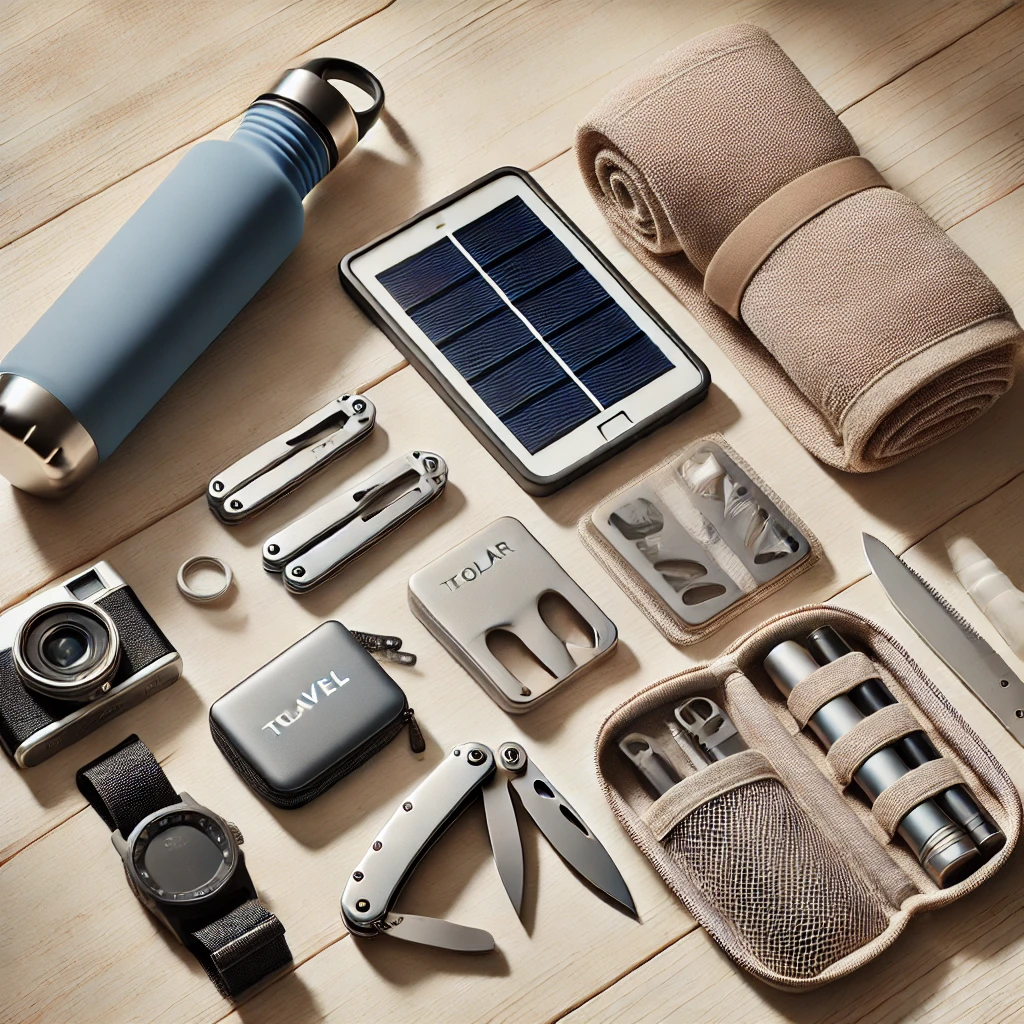
Packing for a long hiking trip is a balancing act — you need to be prepared without carrying unnecessary weight. Smart packing means prioritizing essentials, choosing multi-purpose gear, and keeping your backpack organized for comfort and accessibility.
1. Start with a Gear List
Divide your gear into categories: clothing, shelter, food, hydration, cooking, navigation, and emergency supplies. This helps ensure you don’t forget anything crucial.
2. Choose Lightweight and Compact Gear
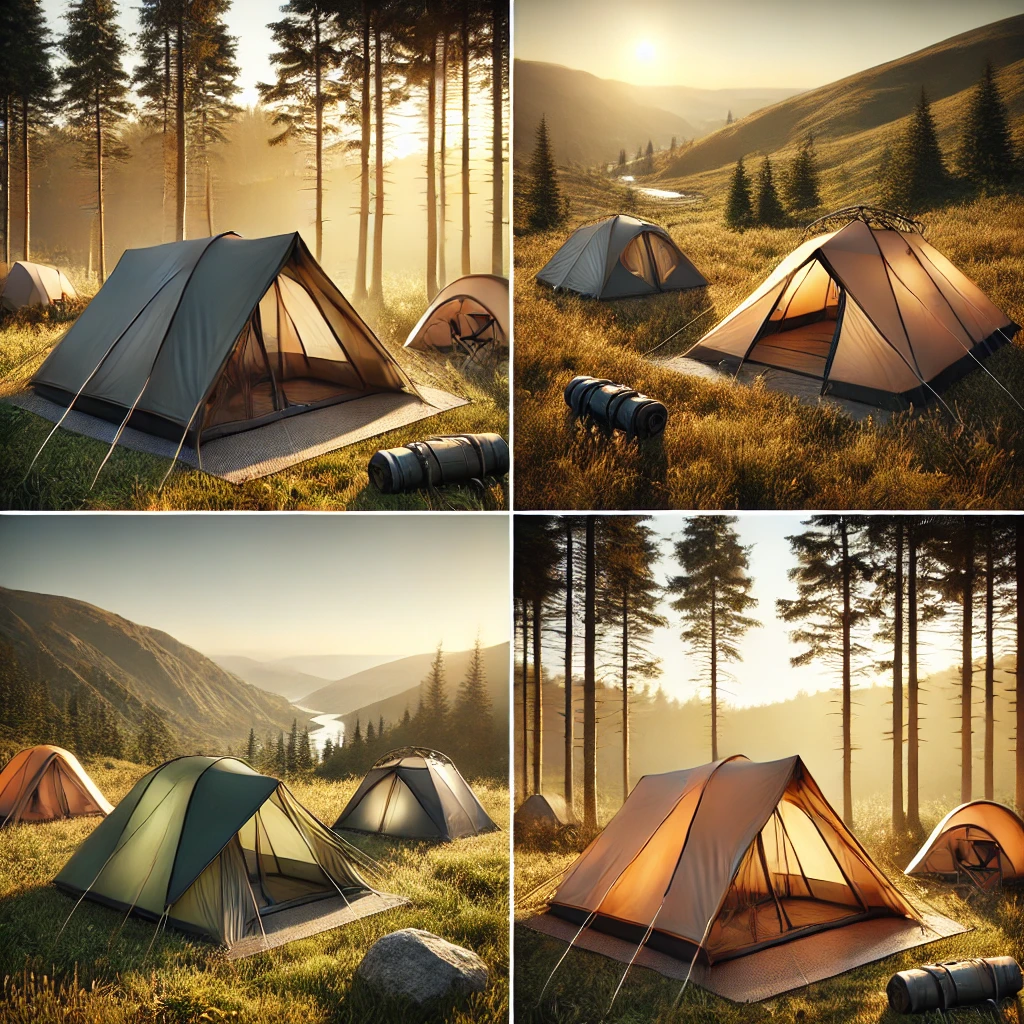
Go for a lightweight tent or hammock, compact sleeping bag, and inflatable sleeping pad. Clothing should be quick-drying, moisture-wicking, and layerable.
3. Stick to the “3 of Each” Rule for Clothes
- 3 pairs of socks
- 3 pairs of underwear
- 3 shirts (base layers included)
This rotation allows you to wear one, wash one, and dry one.
4. Pack Food Strategically
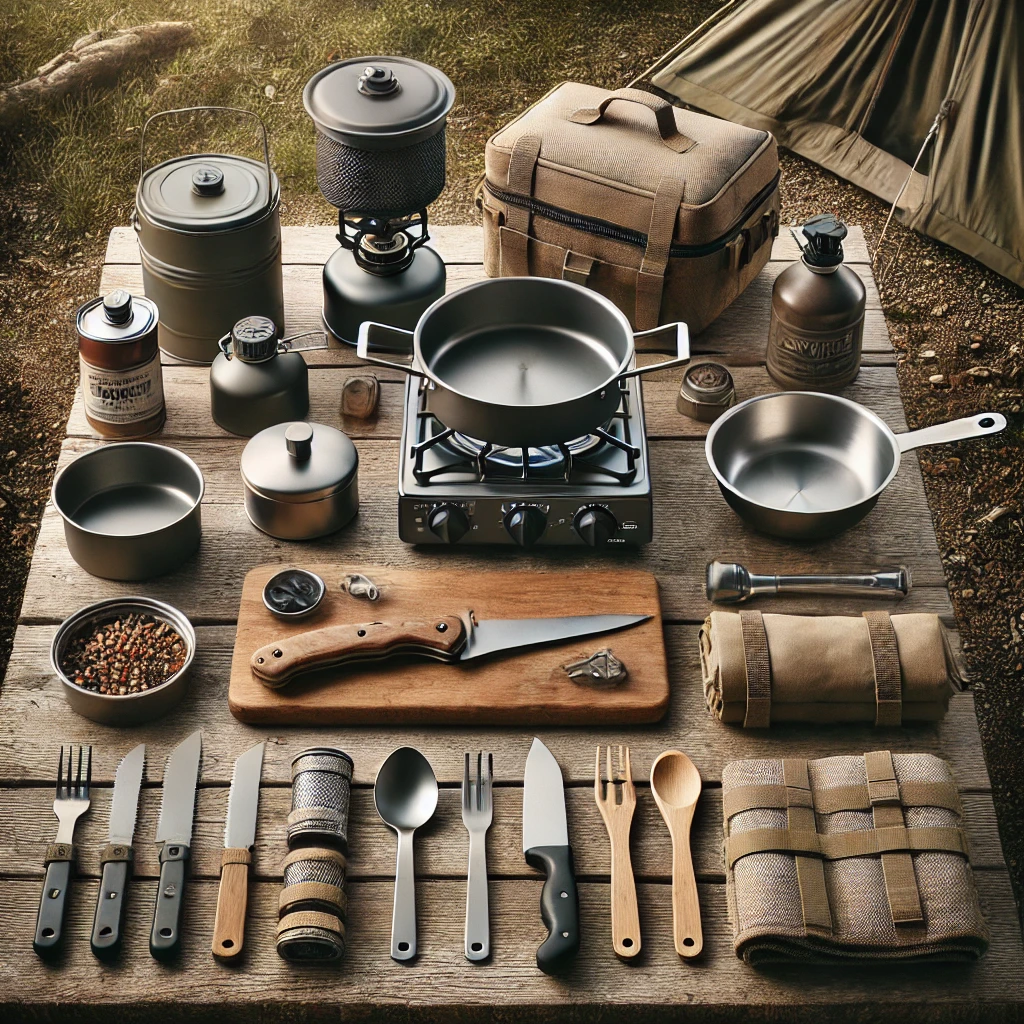
Choose dehydrated meals, protein bars, trail mix, and calorie-dense foods. A compact stove and titanium pot are great for cooking without bulk.
5. Use Compression and Packing Cubes
These save space and keep your gear neatly sorted. Heavier items should go close to your spine and near the center of your back for better weight distribution.
6. Don’t Overpack “Just in Case” Items
Stick to multi-use gear — a bandana can serve as a towel, sunshade, or water filter pre-filter.
Smart packing is about efficiency and preparation. A well-packed bag keeps you light on your feet and focused on the trail ahead — not on sore shoulders or missing gear.
Leave a Reply